Skip to content

On-grid solar

The cheapest way to cut your day-time bill. Solar runs your home while the sun is up. The grid covers you at night.
Get a free quoteAsk a question
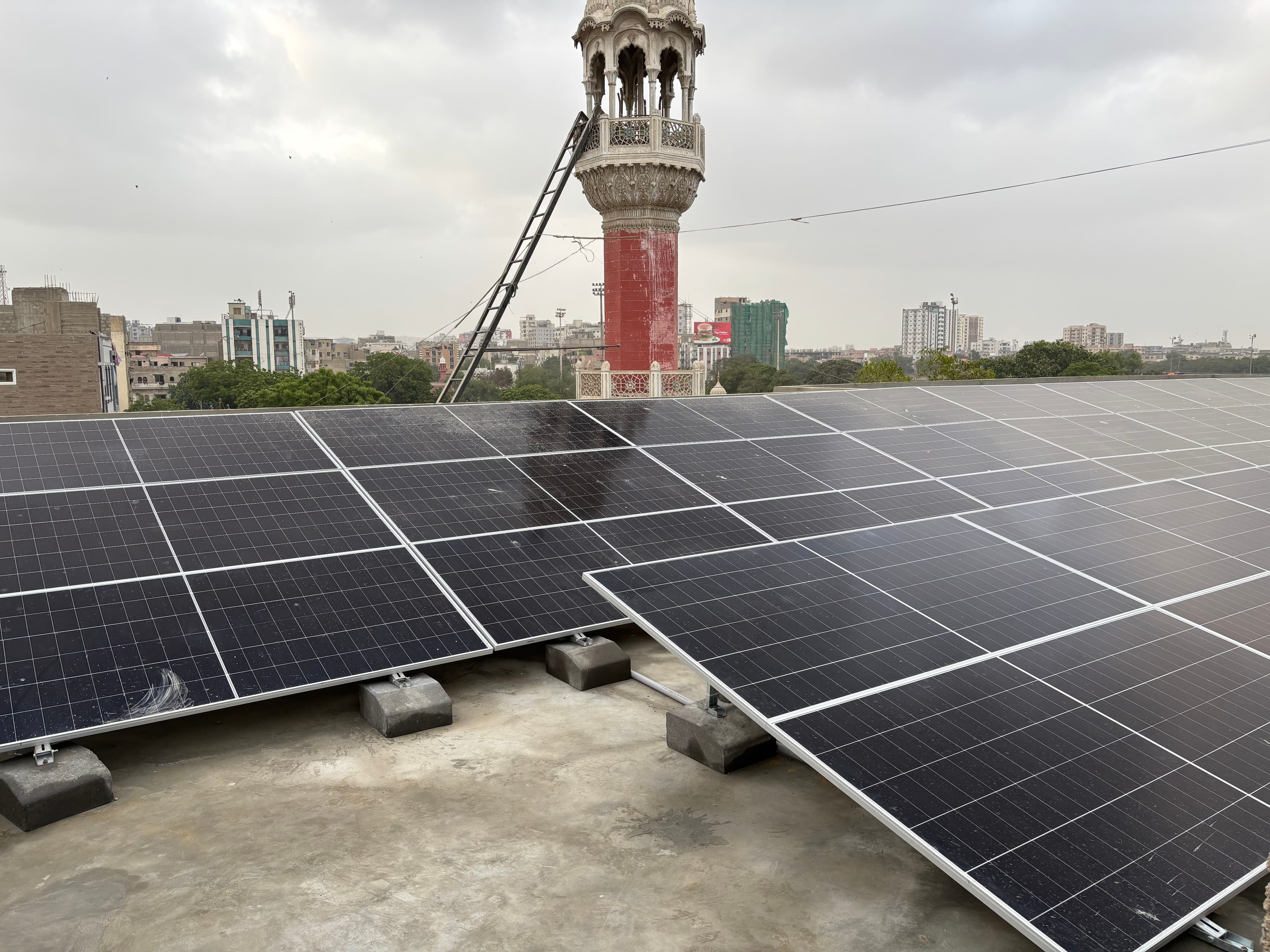
APC Solar grid-tied rooftop solar array on a Karachi building
At a glance
Best forLowest-cost savings
InverterGrid-tied string
Backup in load-sheddingNo
Typical payback5 to 7 yr
What's included

Expertly installed by one team

  • Tier-1 mono panels sized to your use
  • Grid-tied inverter with app monitoring
  • Lowest upfront cost of the three
  • Full manufacturer warranties on every part
The basics

What is on-grid solar?

On-grid solar is also called grid-tied solar. It links your rooftop panels straight to the grid. While the sun is up, your home runs on solar. It pulls from the grid only when you need more than the panels make. It is the simplest, cheapest way to cut your day-time bill. It has no battery, so it shuts off during load-shedding for safety.

The benefits

Why on-grid works for Karachi homes

Lowest upfront cost

The cheapest way to start cutting your day-time bill.

Simple and proven

Fewer parts and less to maintain. A simple grid-tied system.

Clear upgrade path

Start here. Add a battery later if backup becomes a priority.

Built for Karachi load-shedding

An on-grid system pauses during an outage for safety. So you are left without power. If staying on through load-shedding matters to you, a hybrid or battery system fits better.

See battery backup
How it works

From survey to switch-on

  1. 1

    Free site survey

    We check your roof, shading and monthly bill in one visit. No charge. No pressure.

  2. 2

    Custom design and quote

    A fixed-price design in two working days. It shows your output, savings and payback for your exact roof.

  3. 3

    Install in days

    Our own team installs in 2 to 3 days. Panels, inverter, structure and wiring. No subcontractors.

  4. 4

    Handover and monitoring

    We test the system and switch it on. We show you the owner app. Then we watch output for the life of the system.

A closer look

The kit that goes into your on-grid system

Real equipment, neatly installed. The inverter that runs the system, plus the storage and panels behind it.
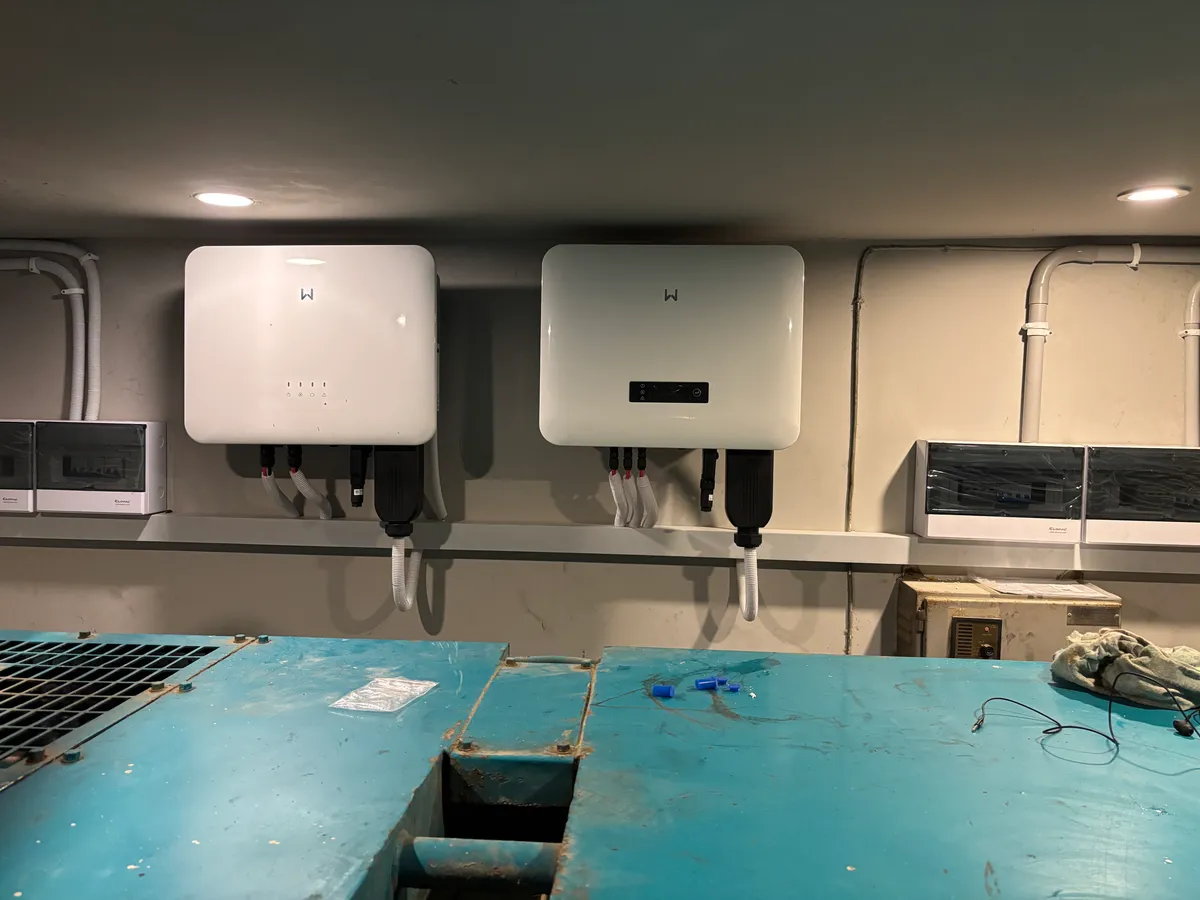
Grid-tied string solar inverter with app monitoring, installed by APC Solar in Karachi
Grid-tied inverter
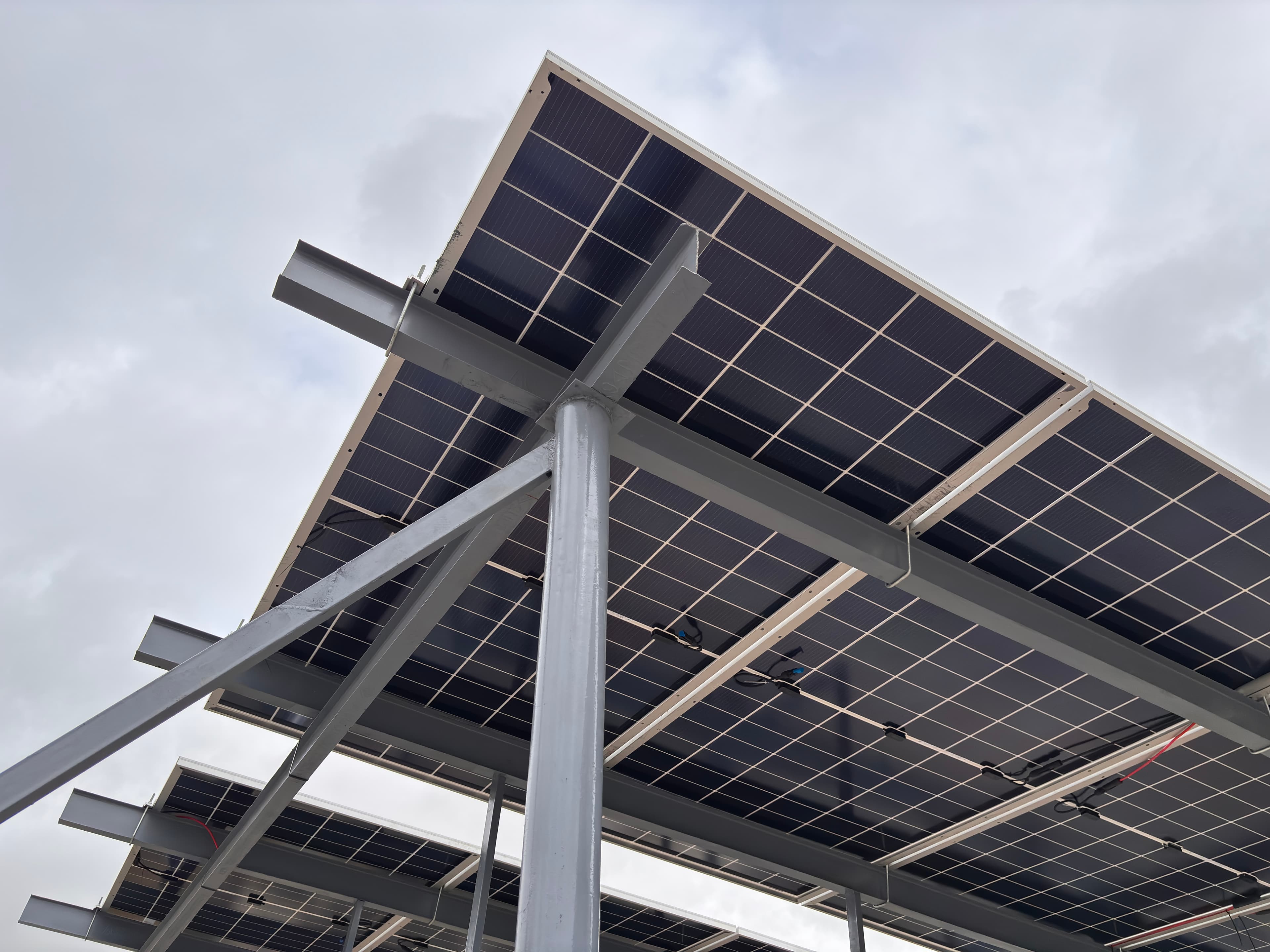
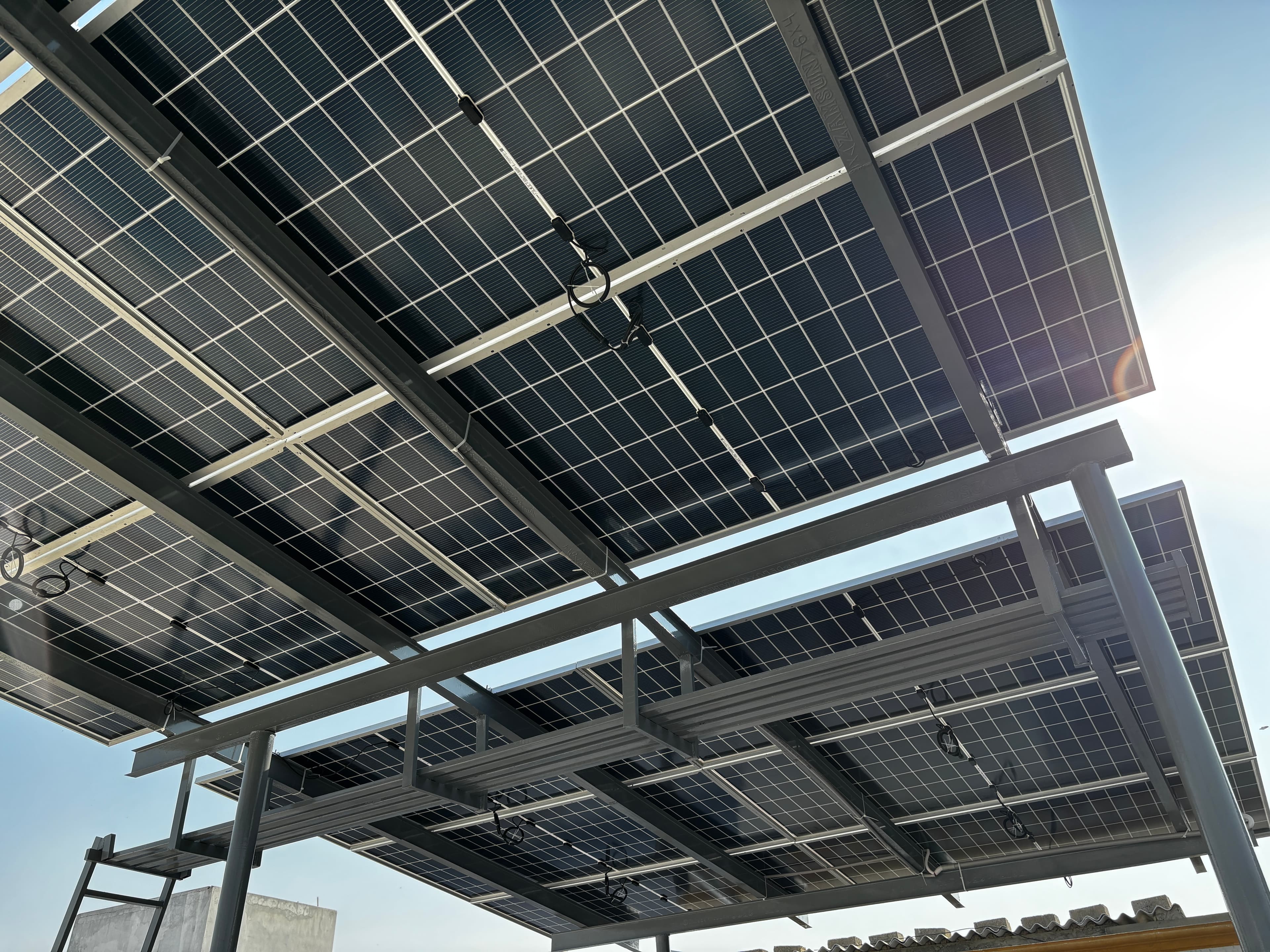
Tier-1 monocrystalline solar panels against the Karachi sky
Tier-1 mono panels
Grid-tied rooftop solar array installed by APC Solar on a Karachi home
Grid-tied rooftop array

Installed across Karachi

We have installed on-grid systems for homes and businesses right across the city. From DHA and Clifton to Gulshan, North Nazimabad and beyond.

DHACliftonGulshan-e-IqbalNorth NazimabadBahria TownKorangiMalirSITEScheme 33
See our full service area
Common questions

Good to know

Yes, for day-time savings. On-grid runs your home on solar while the sun is up, cutting the most expensive part of your K-Electric bill. Pakistan has moved new rooftop users to a net-billing model under the NEPRA Prosumer rules, so surplus you export now earns only about Rs 11 per unit, well below the retail rate you pay. The savings now come from using your own solar in the day, not from selling it back. To keep the value of every unit you make, a hybrid or battery system stores it instead.

For safety. A grid-tied inverter must shut down the moment the grid goes out, so it cannot feed power into lines that workers may be repairing. This is a required protection called anti-islanding, not a fault. It also means a basic on-grid system gives you no backup during a K-Electric outage. If staying on through load-shedding matters, you need a hybrid or battery system.

Without storage, surplus day-time power flows to the grid. Under Pakistan's new net-billing rules you are paid a fixed low rate, about Rs 11 per unit, for what you export, and billed normal retail rates for what you draw at night. Anything generated beyond your approved load earns no credit. The most valuable unit is the one you use yourself, which is why we size on-grid systems to match your day-time use rather than to oversell to the grid.

Only easily if the inverter is battery-ready, meaning a hybrid inverter. A basic grid-tied inverter usually has to be replaced to add storage. If there is any chance you will want backup later, we often suggest starting with a hybrid inverter now and adding batteries when your budget allows, with no rewiring. We will flag this at your survey.

As a rough guide, every 1 kW needs about 60 to 70 sq ft of shade-free roof, so a typical home system fits most rooftops. The cost depends on the size and panels your home needs, and prices move with the market, so we give you a fixed, fully itemised quote after a free site survey rather than a flat figure. On-grid is the lowest-cost of the three system types.

Tier-1 monocrystalline panels and a grid-tied inverter from established brands, all with full manufacturer warranties listed in your quote. We size everything to your roof and usage, never a generic package, so you only pay for the system your home actually needs.

Ready to size your on-grid system?

Book a free roof survey. We will work out your savings and hand over a clear quote. No obligation.